Precision Tree Services Fall River

Menu
Tree Pruning That Boosts Bloom and Growth
Tree Pruning Fall River
Properly timed and executed fall tree pruning will greatly enhance the flowering, fruiting, and overall health of your trees. Homeowners in Fall River who hire a certified arborist to perform tree pruning services typically notice a significant increase in the beauty and production of their landscaping by the end of one growing season. Whether it is the ornamental trees surrounding Heritage State Park or the fruit trees found in backyard gardens throughout the Highlands neighborhood, understanding how tree pruning affects plant biology will allow homeowners to reach the full potential of their trees for an abundance of flowers and healthy growth.
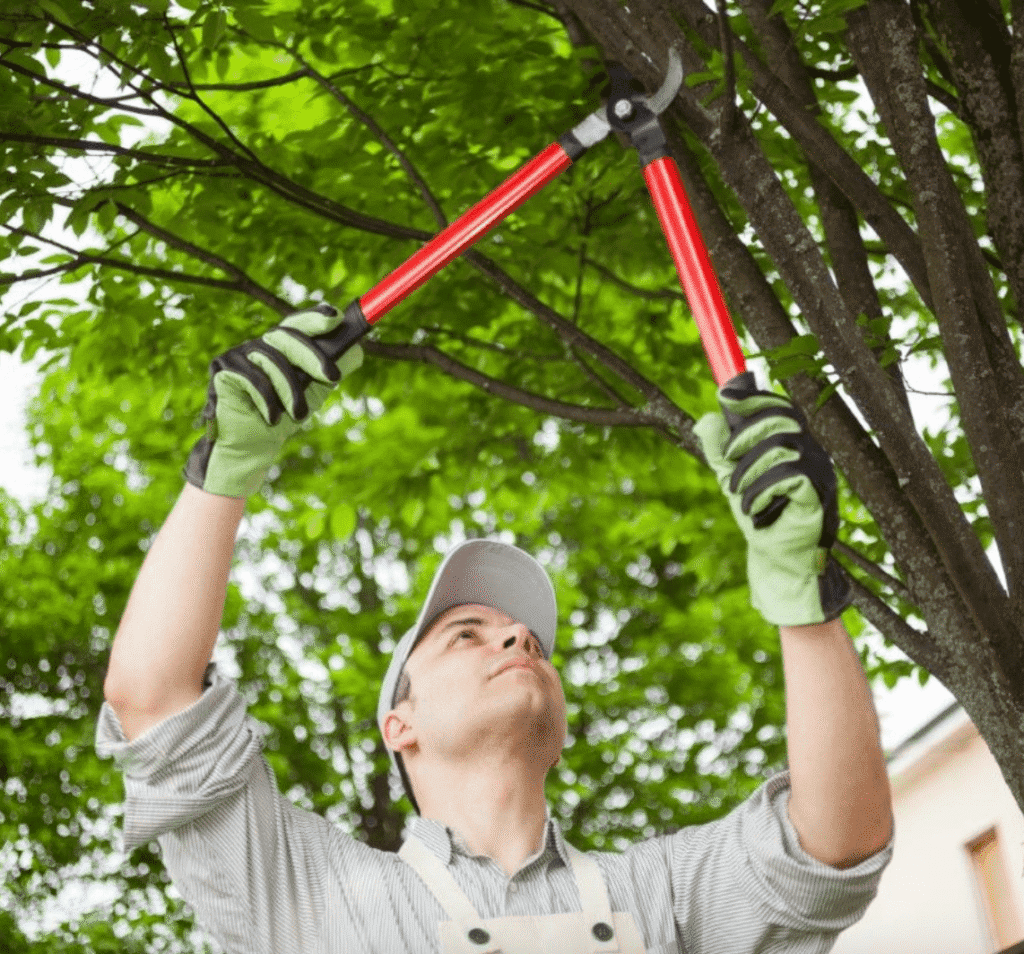
Understanding How Pruning Affects Tree Biology
Pruning, as it relates to tree biology, utilizes redirected plant energy and growth hormones to generate the desired outcome. Arborists utilizing pruning techniques are directly impacting the plant’s hormone system (the flow of auxins, cytokinins, and gibberellins), which influences the direction of growth and energy distribution. By removing selected branches, arborists modify the plants’ natural hormone distribution patterns, thereby creating new growth in the areas desired and stimulating the formation of new flower buds to increase blooming.
Adequately trimmed pruning cuts can stimulate healing processes and improve overall tree vigor. As the cuts heal, the pruning cuts stimulate the redistribution of nutrients to the other portions of the tree that would have otherwise gone to the removed branches, often producing new, more robust growth.
Light penetration has a major effect on flowering and fruiting. The selective removal of branches strategically allows greater amounts of light to penetrate to the inner branches, thus promoting the formation of flower buds across the entire tree instead of simply allowing flowers to form on the outer branches that receive the majority of the available light.
Improved air circulation created by thoughtful pruning also improves the tree’s resistance to disease and contributes to a healthier environment for the tree to grow. Improved air circulation decreases the likelihood of fungal diseases developing and can help maintain ideal moisture levels for continued growth throughout Fall River’s variable climatic conditions.
Timing of Tree Pruning and Its Effect on Flowering
The timing of tree pruning greatly affects the potential for flowering, as some species must be pruned at very specific times to maximize flowering. Most trees that bloom in the spring, such as dogwood, redbud, and ornamental cherry, should be pruned after they finish blooming to avoid removing the next year’s flower buds.
Trees that bloom in the summer can usually be pruned during the dormant seasons without negative effects on flowering, as these types of trees initiate flower buds on this year’s growth. Understanding the differences in timing of flowering and pruning avoids the common mistake of unintentionally removing flower buds due to poorly timed pruning.
As Fall River has its own unique climatic conditions, there are certain constraints on when to prune trees to obtain optimal flowering. Pruning too late can cause the tree to grow enough to not be able to harden off before winter. Professional arborists are aware of these regional considerations and plan for pruning to allow for optimal flowering as well as for cold hardiness for trees located in coastal Massachusetts.
Fruit trees have their own unique timing considerations to find a balance between flower production and fruit quality. In many cases, late winter pruning is the preferred method for most fruit species, as it removes competition for resources and allows for a more open canopy prior to the start of the growing season.
Techniques for Producing Vigorous New Growth
Proper pruning techniques direct new growth while preserving tree shape and structural integrity. Thinning cuts that remove branches entirely to their points of origin induce new growth from remaining branches without causing weak multi-stemmed responses that can lead to loss of tree structure.
Heading cuts that shorten branches to lateral buds can produce new growth when done judiciously. However, heading cuts require careful consideration, as improper use can lead to weak branch structures or excessive water sprouting that detracts from the tree’s health and appearance.
Crown raising involves removing lower branches to direct energy to the upper parts of the tree. Crown raising is beneficial for many ornamental trees grown in landscaped environments to increase clearances and enhance flowering in species that produce flowers on new growth.
Removing spent flowers and seed pods can prolong the flowering period and redirect energy into additional flowers. Removing spent flowers and seed pods is especially beneficial to trees like crape myrtle that can produce multiple flushes of flowers when properly managed.
Customized Approaches to Prune Various Tree Species
Each type of tree species responds differently to pruning; therefore, professional arborists must adopt customized approaches to optimize flowering and growth. Many types of flowering trees found in Fall River landscapes require distinct pruning strategies to obtain the desired results.
Magnolia trees require relatively little pruning but do benefit from carefully removing competing leaders and crossing branches. Magnolias take a long time to compartmentalize wounds, and therefore, timing and cutting technique must be precise to maintain tree health and encourage the spectacular spring flowers that make magnolias so desirable.
Fruit trees like apples and pears require regular pruning to keep them productive and to prevent crowding that negatively impacts fruit quality. Pruning fruit trees professionally produces evenly spaced branches that allow for adequate sunlight penetration for flower bud development and heavy fruit loads.
Flowering shrubs that grow as small trees, like lilac and forsythia, require unique approaches that maintain their original growth characteristics while enhancing their flowering capabilities. Understanding the flowering characteristics of each species enables the arborist to target pruning to enhance rather than diminish their ornamental value.
Equipment and Tools for Optimal Results
Sharp, well-maintained tools are required to perform professional tree pruning. Hand pruners, loppers, and pruning saws must be sharp and cleaned between trees to prevent the spread of diseases that can harm tree health and flowering capability.
Appropriate tools for different cuts determine the quality of the cut and the worker’s safety. For example, hand pruners are effective for branches up to one inch in diameter, while loppers are suitable for branches larger than one inch. Pruning saws are necessary for branches too large to be handled with loppers, and selecting the correct saw affects the quality of the cut and worker safety.
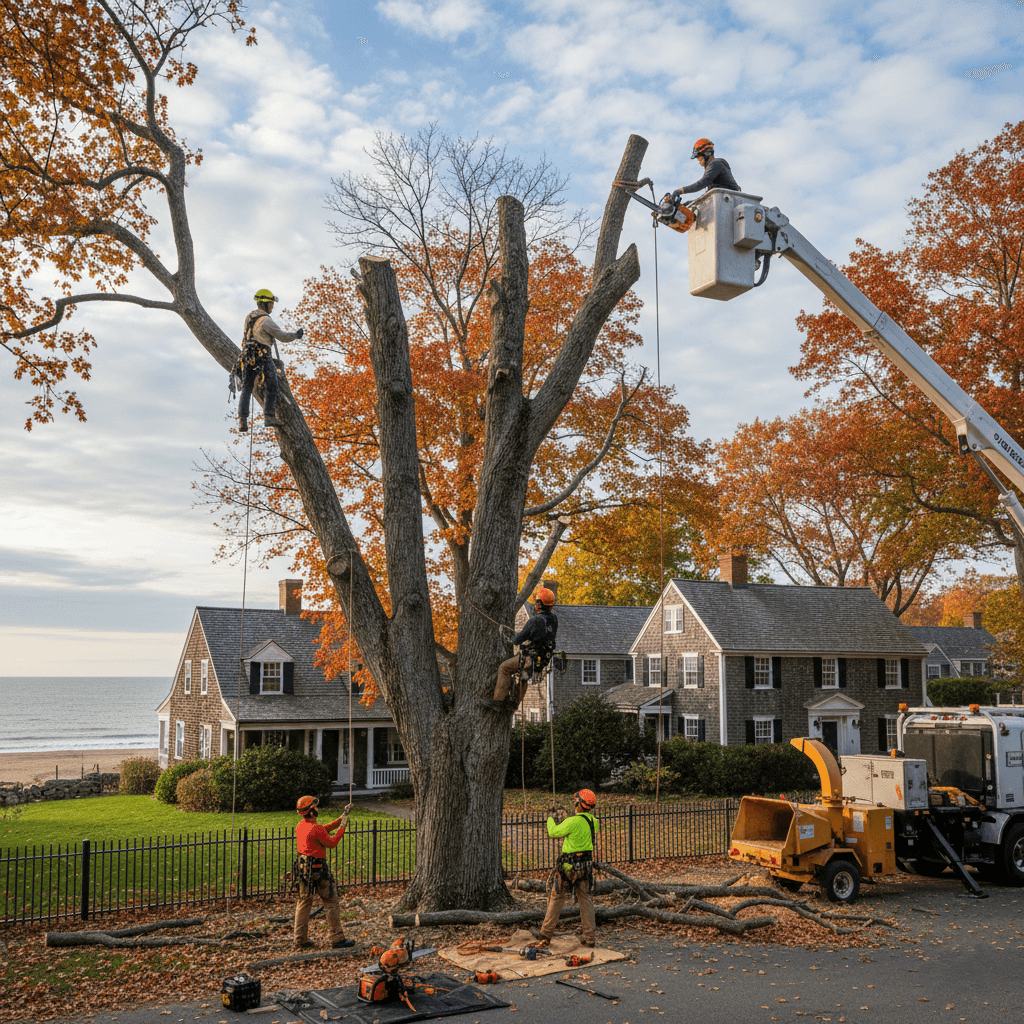
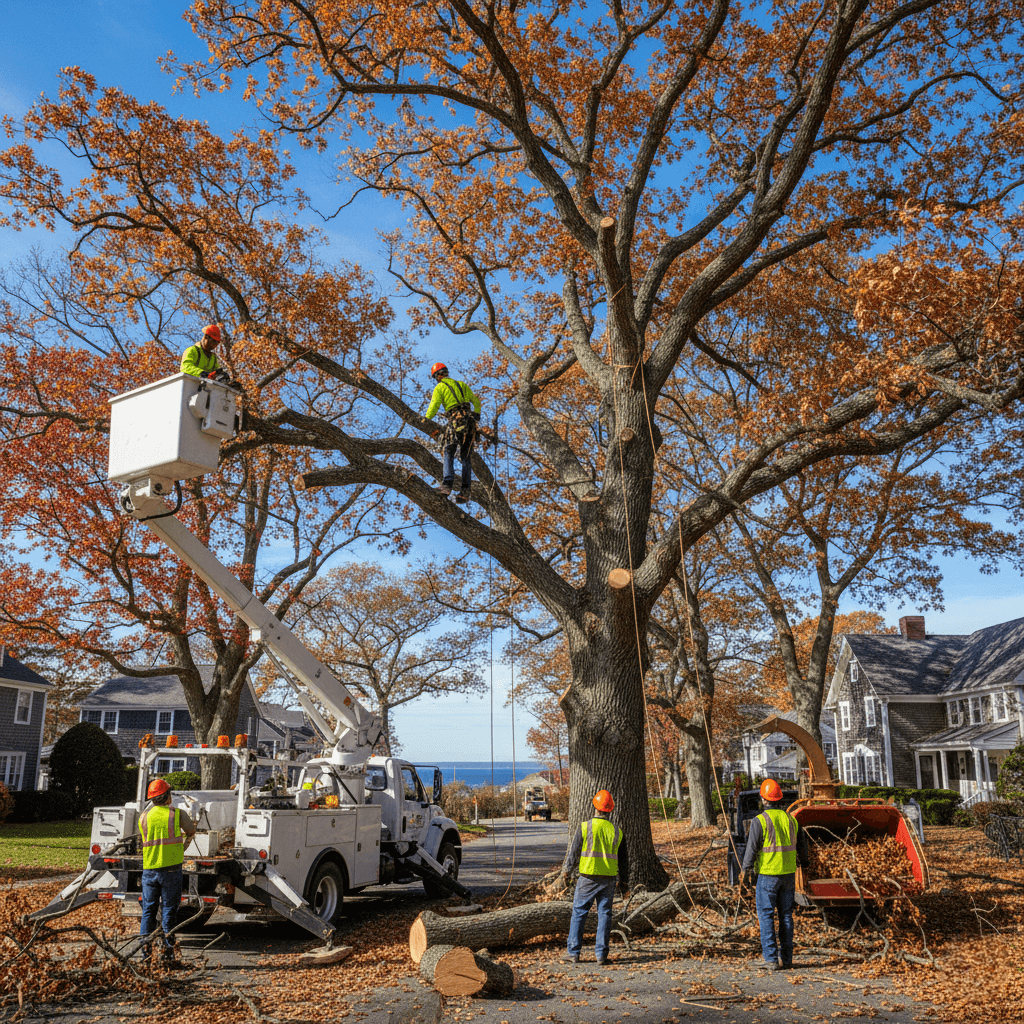
Pole saws and aerial equipment allow professional arborists to safely access high branches while maintaining the accuracy needed to execute proper cuts. Homeowners attempting to access high branches using pole saws often result in substandard cuts, injury, or incompletely pruned trees that fail to meet the owner’s desired flowering and growth enhancements.
Debris management and clean-up equipment are important for executing professional pruning services. Properly disposing of pruned materials prevents disease issues and ensures that the job site appears professional and clean.
Mistakes Made During Pruning to Minimize Flowering
Inadequate pruning techniques can significantly reduce flowering and impact the health of trees. Therefore, homeowners seeking the best possible results from pruning should hire certified professionals who possess knowledge regarding tree biology and the types of trees being pruned.
Topping trees or making flush cuts damages tree biology and often eliminates flowering for multiple years. Over-pruning removes too much foliage and branch structure, compromises tree strength, and ultimately limits the tree’s ability to produce flowers. Certified arborists adhere to industry standards that generally prohibit pruning a tree to more than 25% of its canopy in a single year, thereby ensuring sufficient leaf surface exists for photosynthesis and energy creation.
Timing errors represent another common error that reduces flowering. Pruning spring-flowering trees in late fall or early spring removes flower buds that have been produced and therefore eliminates flowers for the upcoming year, regardless of how well the pruning techniques were executed.
Poor cut placement creates wounds that can take a long time to heal and potentially become diseased, directing the tree’s energy away from flower production toward defensive mechanisms. Certified arborists understand proper cut placement that directs the tree to rapidly heal and maintain its energy for maximum flowering potential.
Local Climate Conditions Impacting Pruning
Fall River’s coastal location generates a unique combination of salt exposure, wind patterns, and varying moisture levels that affect tree health and must be taken into consideration when designing pruning plans to maximize flowering and growth.
There is significant variation in soil conditions throughout Fall River, including sandy coastal regions and clay soils inland. Differences in soil composition affect how trees react to pruning and their ability to accommodate increased flowering and growth as a result of proper pruning.
Variations in microclimates among individual properties can affect pruning schedules and techniques. Trees protected from coastal winds may react to pruning in a manner that differs from those subjected to wind, and thus require custom pruning practices based upon the specific site conditions.
Seasonal Weather Patterns Influence Pruning Timing and Outcomes
Understanding seasonal weather patterns and how they affect tree biology assists certified arborists in designing pruning plans to maximize flowering and growth stimulation. Timing pruning according to seasonal weather patterns and local climatic conditions maximizes flowering and growth stimulation.
Follow-Up Care After Pruning
Post-pruning care significantly impacts the extent to which trees respond with increased flowering and growth. Proper fertilizer applications sustain the vigorous new growth generated by pruning, while adequate irrigation sustains tree health during the recovery phase and during the response to pruning.
Adding organic matter and improving soil composition can enhance the effectiveness of pruning by establishing optimal growing conditions for the stimulated growth. Many professional tree care services offer soil testing and amendments that complement the increased flowering and growth stimulated by pruning.
Mulching around newly pruned trees maintains soil moisture and temperature while inhibiting unwanted weeds. Mulching is an excellent way to support tree health during the initial months after pruning, when the tree is channeling its energy into new growth and flower development.
Ongoing Monitoring and Follow-Up Care Ensure Desired Results
To guarantee that the pruning results meet expectations and address any concerns arising during the tree’s response to pruning, ongoing monitoring and follow-up care are recommended. Ongoing monitoring is included in many comprehensive tree care programs designed by professional services to maximize the long-term benefits from the pruning investment.
Cumulative Long-Term Benefits From Investing in Professional Pruning
Investments in professional pruning provide cumulative benefits that increase over time and contribute to increasing flowering and growth in future years. Continued professional maintenance builds upon previous work and develops visually appealing landscape displays that increase property value.
By providing structural improvements to trees through professional pruning, trees become stronger and healthier and are capable of producing increased flowers and fruits without the risk of branch failure. The structural base established through professional pruning provides the framework for trees to reach their full ornamental potential while maintaining safe and stable conditions.
Regular pruning services provided by certified arborists establish disease-resistant conditions in trees that support consistent flowering every year. Through the provision of good air circulation and removal of problem areas, certified arborists establish conditions that support long-term tree health and ornamental value.
Customized Programs for Achieving Specific Landscape Goals
Certified arborists can design pruning programs tailored to achieving specific landscape objectives, whether that goal is to display the greatest variety of spring flowers, to prolong the flowering period, or to increase fruit production. Due to their focus on achieving the homeowner’s specific goals, professional pruning services are less likely to achieve consistent results over time compared to DIY pruning services.
Selecting the Right Pruning Service
Selecting the right tree pruning service is what separates spectacular results from disappointing ones. Look for certified arborists who have extensive knowledge of botany and experience working with the diverse tree species present in the Fall River landscape. The arborist should be able to describe how their pruning techniques will improve flowering and growth for your specific trees.
Precision Tree Services Fall River brings together botanic knowledge with years of experience in working with the diverse tree species thriving in our coastal Massachusetts region. Whether it is ornamental trees adorning properties surrounding Government Center or productive fruit trees in the residential gardens surrounding Oak Grove Cemetery, we know how to prune for maximum flowering and growth stimulation.
Our certified arborists remain current with the latest research in pruning techniques and plant biology, ensuring that our methods yield optimal results for tree health and ornamental value. We collaborate with homeowners to develop customized pruning programs that meet their specific landscape objectives while maintaining the structural integrity and safety of the trees.
Professional tree pruning is an investment in your landscape’s beauty and productivity that yields returns for many years to come. When executed with proper timing, techniques, and post-pruning care, strategic pruning can transform average trees into outstanding landscape features that produce abundant blooms, vigorous growth, and increased property value. Contact Precision Tree Services Fall River today to explore how professional pruning can unleash your trees’ full potential for beauty and productivity.
LATEST POSTS