Precision Tree Services Fall River
Menu
Which tree species are the 10 most commonly found in New Jersey?
Tree Removal Fall River
Property owners in Fall River have many decisions to make as it relates to trees that are considered dangerous, diseased, or obstructive to a new project. As such, many residents begin their search with tree removal near me, looking for a reputable company that will assist them in their time of need. To assist you in your decision-making process, this article discusses the costs associated with tree removal, permits required to remove trees, the best time of year to perform tree removals, and some of the safety concerns related to tree removal. Since tree removal companies vary greatly in price and service approach, selecting the right company is critical to protect the value of your home and prevent unnecessary damage. Regardless if you live near Battleship Cove and experienced storm-damaged trees or have older trees in your Highlands neighborhood, planning will save you money and avoid costly problems down the road. The information below outlines all aspects of the planning process for tree removal in Fall River’s coastal environment and regulatory framework.
Understanding Tree Removal Costs in Fall River
The costs associated with removing a tree in Fall River depend mainly upon the size of the tree, how accessible the tree is, and the difficulty factor of the property, which varies greatly in coastal Massachusetts. Generally, small trees (less than thirty feet) will cost somewhere between $450 to $750 dollars, and show the labor rates and disposal requirements for the Bristol County area. Medium-sized trees (thirty to sixty feet) generally will be an investment of $900 to $1,600, depending on the proximity to structures and power lines. Larger trees (over sixty feet) usually start at $2,800 and go up to $6,000 dollars or more for complex removals that require special equipment such as cranes or bucket trucks.
Additional Costs
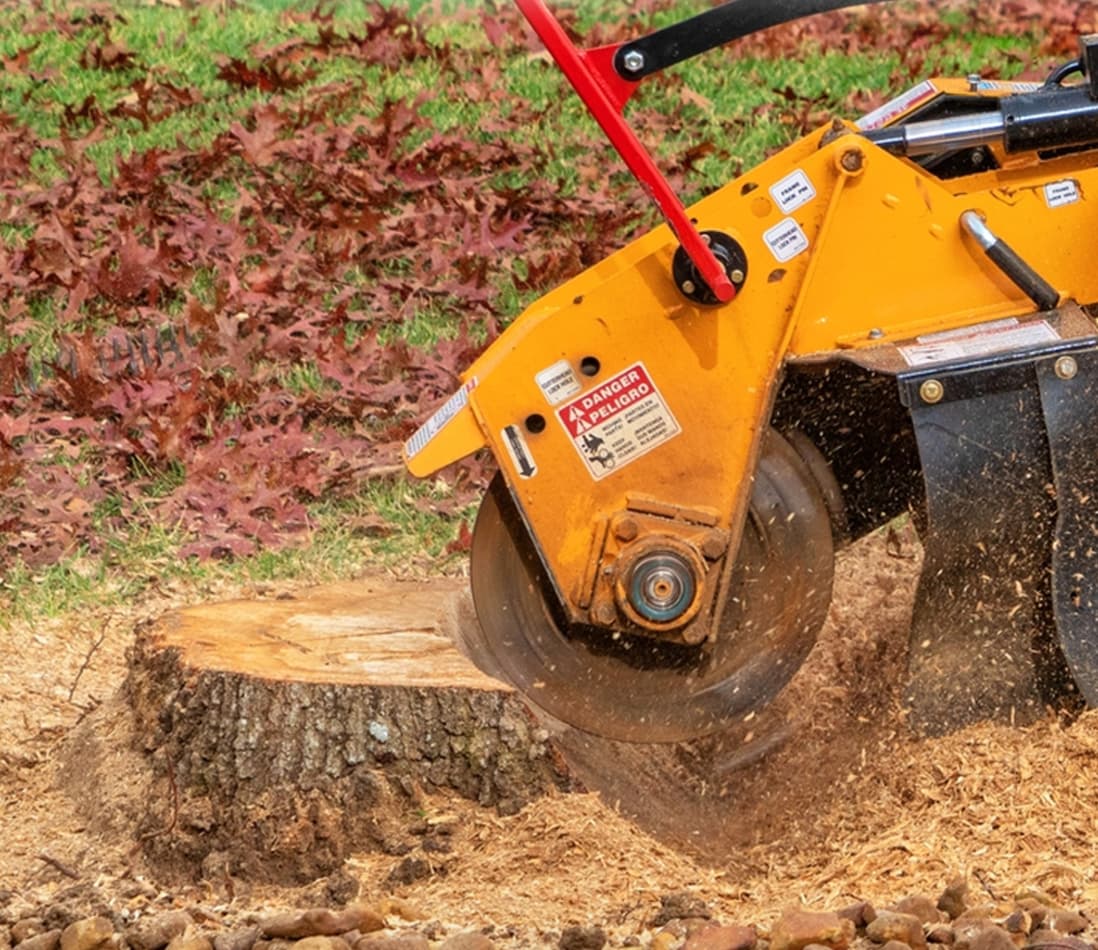
Emergency tree removal services cost significantly more money, especially after a hurricane has impacted the Mount Hope Bay area. Stump grinding is another additional expense, and it can range anywhere from $200 to $450 dollars, depending on the hardness of the roots and how deep they want the stump to be ground out. In addition to these costs, there are permit fees that the Fall River Board of Park Commissioners charges for tree removal in certain areas. The permit fee is usually around $60 to $150, and the cost of disposing of the tree will also vary based on the type of tree and the demand for wood products in the South Coast area.
Seasonal Pricing Variations
Generally, there will be a ten to fifteen percent discount on the price of winter tree removal, as compared to the peak prices of spring and summer. However, the coastal climate of Fall River allows for year-round tree work, as long as the weather is favorable. Due to the high demand and difficult conditions, emergency tree removals can cost two to three times more than the standard price after a hurricane.
To maximize your value as a homeowner, schedule non-emergency tree removals during the off-peak seasons.
Fall River Permits and Regulations
Most public tree modifications require a permit from either the Fall River Board of Park Commissioners, the Urban Tree Commission, or the Tree Warden, according to the Fall River Municipal Code. Generally, private property tree removal does not require a permit unless the trees are located within a wetland buffer zone or if the trees have been designated as significant specimen trees. To confirm the requirement for permits, please contact the city officials, as the regulations continue to evolve to protect the urban forest canopy of Fall River.
Regulations for Public Trees
According to the Massachusetts General Law Chapter 87, all public shade trees must obtain a written permit from the Tree Warden prior to performing any cutting, trimming, or removal. All public trees include trees in city rights-of-way, parks, and public spaces throughout the city, from Flint Village to the North End. If residents wish to have a tree removed by the city, they must petition the Board of Park Commissioners and provide documentation in support of their request, including pictures of the tree and any invoices for repairs that demonstrate why the tree needs to be removed.
Wetland Regulations and Protected Areas
Any trees located within one hundred feet of any wetland, stream, or the Taunton River will require review and approval from the Conservation Commission under the Massachusetts Wetlands Protection Act. Any properties located near Cook Pond, Watuppa Pond, or any other body of water may be subject to this jurisdiction. Additionally, the utility company will need to be contacted to coordinate tree removal near any power lines, and there are specific protocols regarding work within designated easements throughout the Fall River electric grid.
Best Time for Tree Removal
Scheduling tree removal at the best time is crucial in order to minimize costs, maximize safety, and minimize the environmental impact. There are several advantages of removing trees in the winter months, including the fact that trees are in a dormant state, the lack of foliage provides clearer visibility to the branch structure and any potential hazards, and the frozen ground will protect the surrounding landscaping from being damaged by the heavy equipment used in the removal process. Scheduling tree removals in the winter months can also result in lower prices due to reduced demand for services from local contractors.
Benefits of Removing Trees in the Winter Months
Removing trees in the winter months reduces stress on the tree and minimizes the flow of sap, thereby reducing the attractiveness of the tree to insects and disease. Winter weather patterns on the South Coast provide many opportunities for tree removal between storm systems. The frozen ground provides access to the removal site using heavy equipment without damaging the lawns of adjacent homes, especially in older neighborhoods where the lawns are well-established and protected, such as in the Oak Grove Cemetery neighborhood and the Kennedy Park area. Finally, the lack of leaves provides safer working conditions by providing clearer visibility of the branch structure and potential hazards.
Considerations for Removing Trees in the Growing Season
There are several considerations to take into account when removing trees in the growing season, including the risk of injuring protected bird species. While spring tree removals provide the opportunity to immediately plant new trees, the higher demand for services during the growing season results in higher prices. Summer tree removals are ideal because of the favorable weather conditions; however, the growth of the remaining trees during the removal process can cause undue stress, and therefore, the owner of the property must carefully monitor the watering of the exposed root systems of the remaining trees.
Emergency Removals
Emergency tree removals are performed year-round, regardless of whether or not the timing of the removal is optimal, whenever there is a safety concern for the property owner or his/her neighbors.
Safety Protocols and Hazard Assessments
Required Professional Equipment
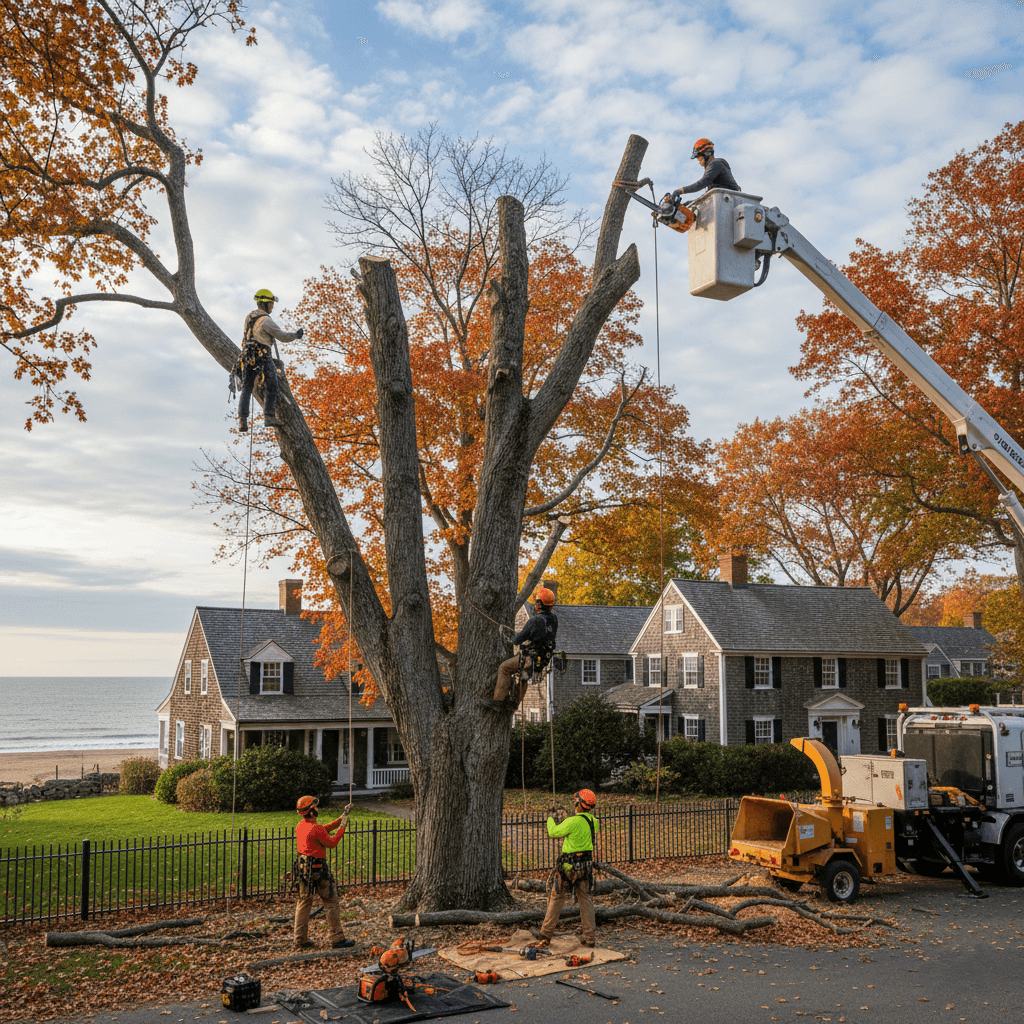
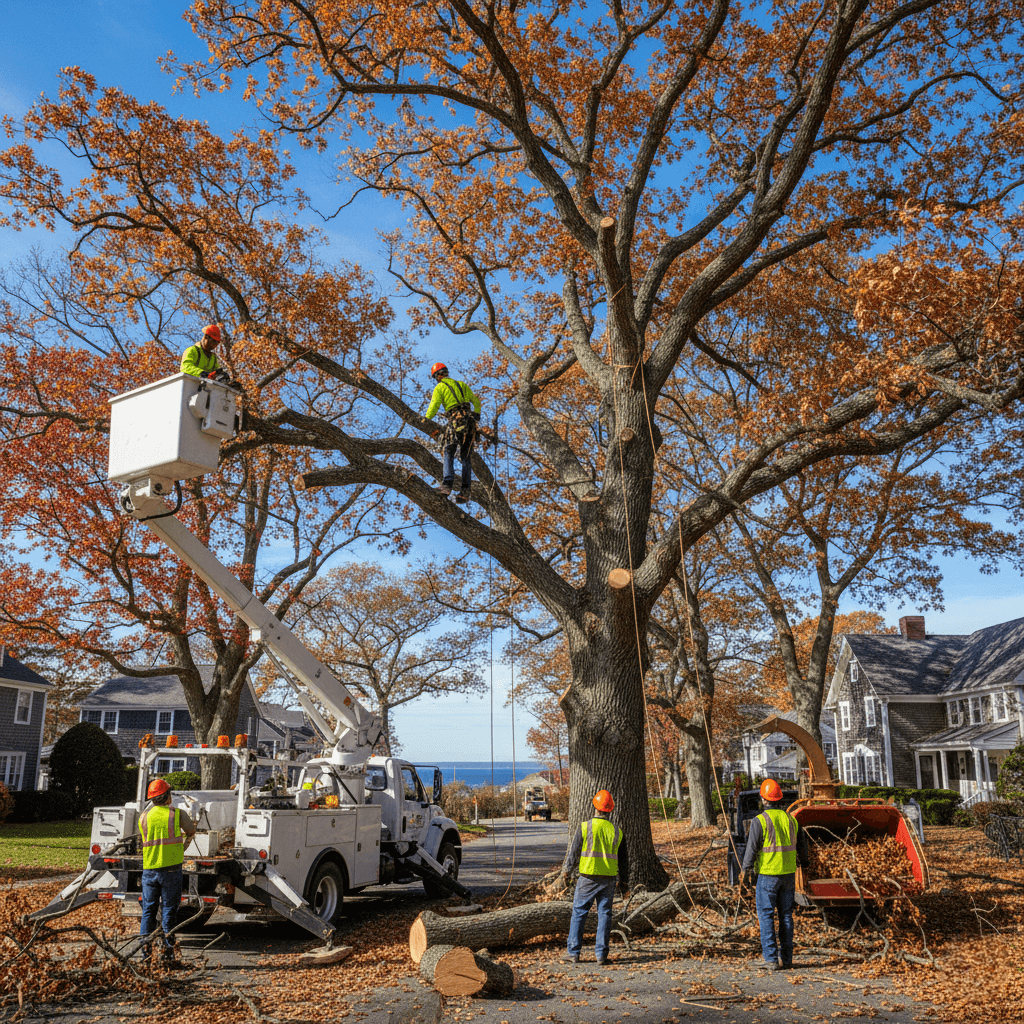
In order to perform tree removal safely, a variety of specialized equipment must be utilized, including bucket trucks, cranes, rigging systems, and professional-grade chainsaws that are operated by trained personnel. Because of the density of the residential neighborhoods in Fall River, from Steep Brook to Corky Row, it is often necessary to utilize precision equipment to navigate through the narrow spaces between homes and to avoid damaging adjacent properties. Professional crews are also required to carry comprehensive insurance coverage and adhere to the Occupational Safety and Health Administration guidelines for all tree-related work activities.
Identifying and Minimizing Hazards
Before removing a tree, a pre-removal assessment will identify any potential hazards that may exist, including overhead power lines, underground utilities, structural-damage risks, and environmental hazards that are specifically related to coastal conditions. Professional arborists assess the lean of the tree, the stability of the roots, and the structural integrity of the tree before determining the best strategy for removal. Before commencing the removal activity, site preparation includes identifying the location of underground utilities via Dig Safe, protecting valuable landscaping, and establishing safety boundaries around the work area.
Coastal Weather and Environmental Conditions
Because of its coastal location, Fall River presents unique challenges to both the planning and execution phases of tree removal. The constant exposure to sea salt from Mount Hope Bay contributes to the deterioration of trees, which makes them more difficult to remove safely. High winds are also a frequent occurrence in the area and must be taken into consideration when scheduling tree removals to avoid hazardous working conditions. Additionally, the types of soils found in some areas of Fall River can affect the structure and stability of the roots, which can influence the methods and equipment required for removal.
Hurricane Damage and Emergency Removals
Hurricanes and nor’easters frequently affect Fall River, creating emergency tree removal situations that require prompt and professional responses. Trees that have been damaged by a storm are structurally unsound and pose a high level of risk, as they may have compromised structural integrity and/or may be in contact with downed power lines, presenting an electrical hazard. Professional emergency services are available 24 hours a day during severe weather events and prioritize public safety and the protection of critical infrastructure within the community.
Qualifying Tree Removal Providers
Certifications and Insurance Documentation
Selecting qualified tree removal service providers begins with verifying that the provider holds current certification from the International Society of Arboriculture (ISA) and maintains comprehensive liability insurance. Although Massachusetts does not license tree removal companies, reputable service providers maintain professional certifications and training for their workers. It is recommended that you ask to see current copies of their insurance certificates and verify that the coverage limits are sufficient to address potential risks associated with property damage.
Local Experience and References
It is beneficial to select a tree removal provider that is experienced with the neighborhoods and soils of Fall River, as well as the regulations that govern tree removal in the area. Local experience includes familiarity with the coastal weather patterns, municipal procedures, and equipment suitable for the challenges presented by the area. When evaluating potential providers, it is suggested that you check with recent customers who live in neighborhoods similar to yours and verify the company’s reputation with the Better Business Bureau or a local trade association.
Post Removal Considerations
When completing a tree removal project, there are several post-removal items to consider. These include grinding stumps, cleaning the removal site, and repairing the soil for future use as landscaping or building. A professional service will handle all of the debris removal associated with the removal project and will ensure compliance with local regulations for waste management. Post-removal restoration of the site may involve making adjustments to the soil composition, correcting grading issues, and re-seeding any lawn areas that were damaged as a result of the removal.
Planning for Replacement
Many homeowners find it beneficial to immediately replace the removed tree(s) to maintain the aesthetic appeal of the property, as well as to preserve the environmental benefits of having trees on their property. When selecting the species of tree(s) to be planted, a professional arborist will consider factors such as salt tolerance, wind resistance, and mature size relative to the amount of available space on the property. Strategically replacing trees on a property will enhance the aesthetic appeal of the property while providing long-term environmental benefits to the community.
Emergency Situations and Immediate Response
When emergencies involving trees arise, it is essential to seek assistance from professionals as quickly as possible in order to protect people and property. Examples of emergency tree situations include trees leaning against structures or hanging branches over power lines. When an emergency arises, document the condition with photographs and contact a professional for assistance immediately, rather than attempting a potentially hazardous do-it-yourself removal.
Understanding the costs of removing a tree, the timing, and the safety aspects involved enables Fall River property owners to make educated decisions about their tree care needs. Professional services possess the knowledge, the equipment, and the insurance to safely and efficiently complete a tree removal project. When selecting a tree removal service, place the highest priority on local experience, relevant certifications, and full insurance coverage to ensure the success of the project. At Precision Tree Services Fall River, we apply our local knowledge to provide safe and efficient tree removal services tailored to the unique characteristics and regulatory environment of our coastal community.
LATEST POSTS